

Sofa Buying Guide
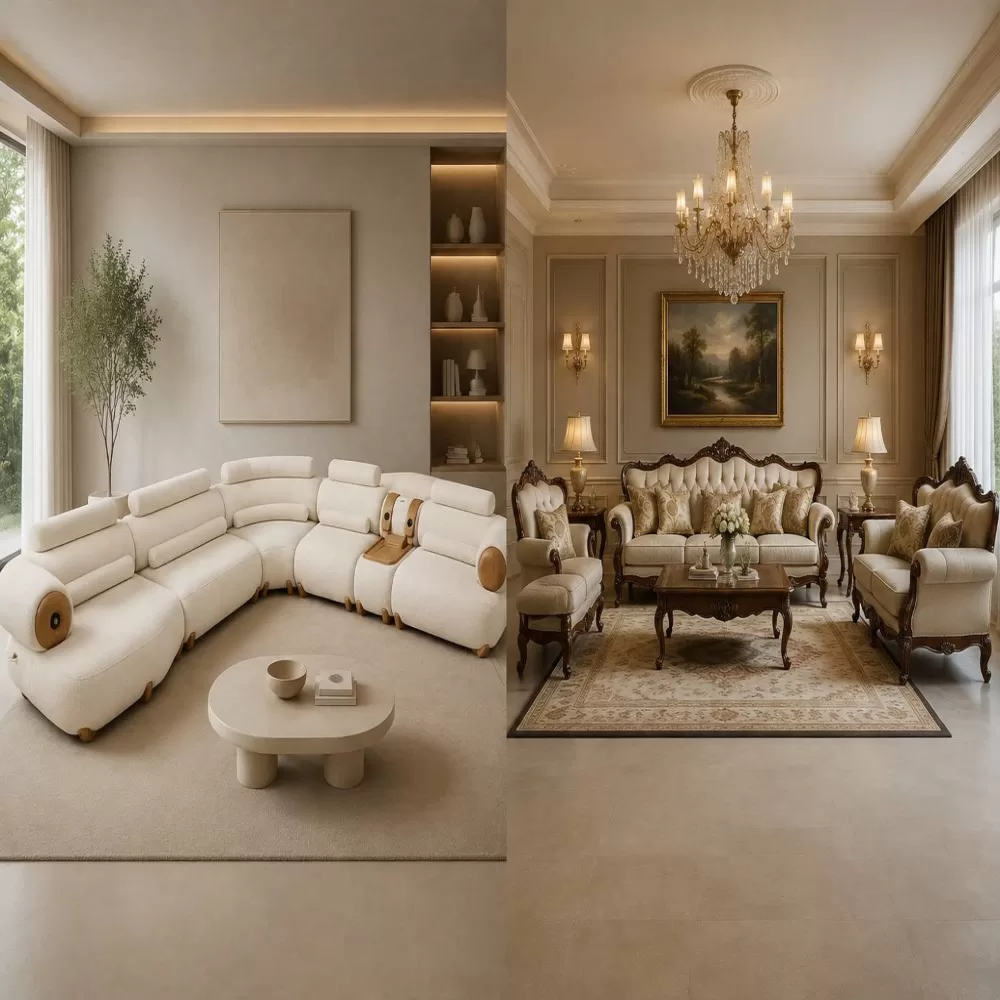
Complete Sofa Buying Guide: Choosing the Right Style, Fabric and Size for Your Home
A sofa is one of the most important pieces of furniture in any home — a place for everyday relaxation, family gatherings, watching films, and informally entertaining guests. However, choosing the right sofa involves much more than appearance and colour. The size of your space, how the sofa will be used, the quality of its frame and foam, upholstery fabric, colour, seating comfort, and compatibility with your interior design all play an important role in making the right choice.
In this complete sofa buying guide, we explore everything you need to know before buying a sofa, step by step, helping you choose a piece that not only looks beautiful but remains comfortable and practical for years to come.
What Is a Modern Sofa and How Does It Differ from a Classic Sofa?
Modern sofas generally feature simpler designs, deeper seating, softer armrests, and a more relaxed appearance than classic sofas. They typically avoid elaborate wood carvings, large exposed wooden arms, and highly formal upholstery fabrics.
A modern sofa is particularly well suited to contemporary homes because:
- It is designed for comfortable everyday use.
- It creates a warm, modern, and inviting atmosphere.
- It works well with modern, minimalist, simple neoclassical, and eclectic interiors.
- It is available in a wide variety of forms, colours, fabrics, and seating capacities.
- In many apartments, it is more practical than formal furniture styles.
However, a comfortable sofa should not simply be soft. A high-quality sofa should combine attractive design with a well-constructed internal structure, ergonomic support, and long-lasting durability.
5 Questions to Ask Yourself Before Buying a Sofa
Before exploring different sofa styles and colours, start by identifying your actual needs. Answering the following questions will help narrow down your options and make your decision more precise.
1. How Will You Use Your Sofa?
How often and in what way you use your sofa will determine which design, upholstery fabric, and type of seating will work best for you.
- Everyday family use: Durable seating, easy-to-clean upholstery, and comfortable armrests should be priorities.
- Homes with children or pets: Choose more durable fabrics with a dense weave and consider medium or darker colours that are easier to maintain.
- Entertaining guests: Design, seating capacity, and coordination with your interior become more important.
- Watching TV and extended relaxation: Pay particular attention to seat depth, backrest angle, and the comfort of the back cushions.
Tip: A sofa that feels soft during the first few minutes is not necessarily comfortable for extended periods. Sit on it for several minutes, lean back, and test it in the way you would normally use it at home.
2. How Much Space Do You Have?
One of the most common mistakes when buying a sofa is choosing a beautiful design that does not suit the dimensions of the room. An oversized sofa can make a small room feel crowded and restrict movement, while a sofa that is too small can make a large living space feel incomplete and disconnected.
Before buying a sofa, measure:
- The length and width of the area where the sofa will be placed
- • The position of doors, windows, radiators, columns, and walkways
- • The distance between the sofa and the television or coffee table
- • The width of hallways, staircases, doorways, and lifts required for delivery
- • The dimensions and position of your rug
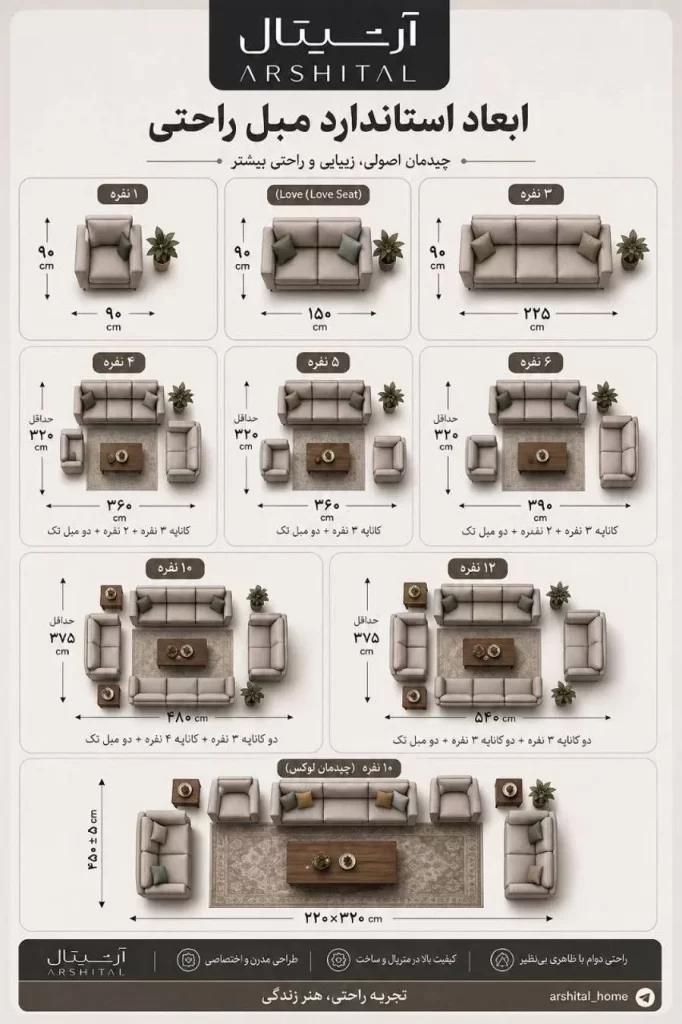
As a general guideline, try to maintain approximately 70–90 cm of clear space along the main walkways in your home. If you are placing a coffee table in front of the sofa, a distance of approximately 35–45 cm usually provides comfortable access.
3. How Many People Should the Sofa Comfortably Seat?
Choose your seating capacity according to your lifestyle rather than simply the number of people living in your home.
For example:
- Couples or homes with fewer guests: A three-seater sofa with two armchairs may provide sufficient seating.
- Larger families: A larger sofa, L-shaped sofa, or a combination of sofas and armchairs may be more practical.
- Homes that frequently entertain guests: Modular sofas or combinations of individual pieces provide greater flexibility when arranging the room.
A balanced and popular furniture arrangement for many homes may include:
- One three-seater sofa
- One two-seater sofa or chaise
- One or two armchairs
- Coordinating coffee and side tables
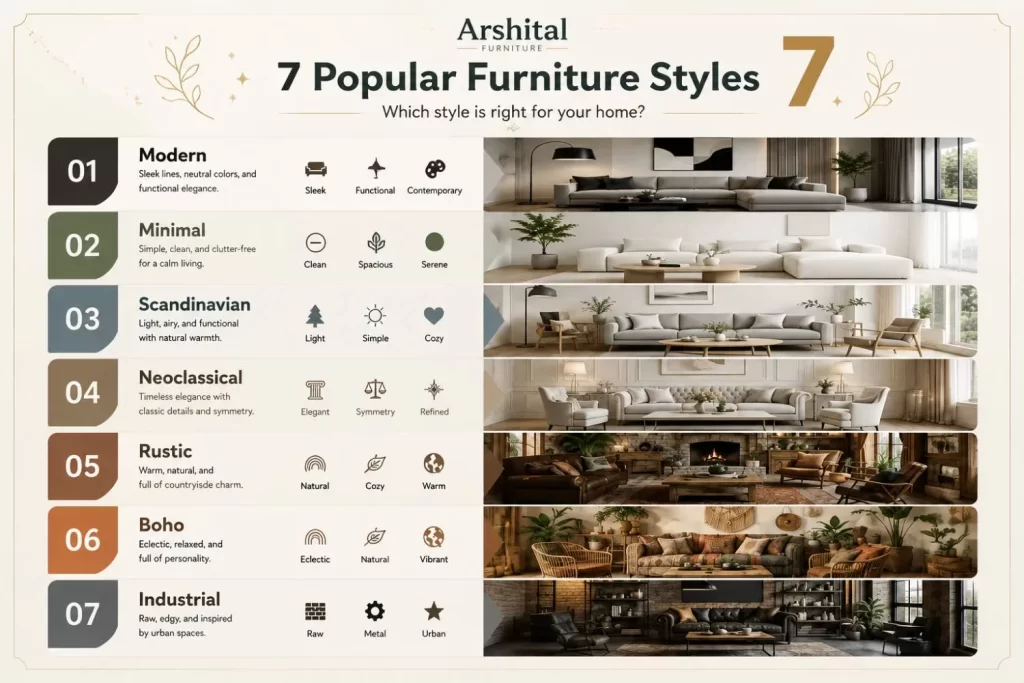
4. What Is Your Interior Design Style?
Your sofa should complement the overall character of your home. A sofa may look beautiful on its own, but it should also work harmoniously with your rug, curtains, walls, tables, and other interior elements.
- Modern and minimalist homes: Simple lines, refined legs, neutral colours, and understated forms work particularly well.
- Warm and family-oriented interiors: Textured fabrics and shades such as cream, honey, earthy tones, warm grey, and soft greens can create an inviting atmosphere.
- Luxury and statement interiors: Emerald green, deep blue, charcoal, and contrasting colour combinations can create a striking focal point.
- Simple neoclassical interiors: Sofas with soft forms, refined stitching, and understated wooden or metal legs can create a balanced look.
5. What Is Your Realistic Budget?
Do not allocate your entire budget to the sofa alone. You may also need a coffee table, cushions, a rug, curtains, or additional delivery and installation services.
When buying a sofa, it is generally worth prioritising your budget in the following order:
- Frame and internal construction
- Foam and seating quality
- Upholstery fabric and stitching
- Design and decorative details
The appearance of a sofa can often be updated more easily than its internal structure. A weak frame or poor-quality foam can turn even the most beautiful sofa into a disappointing purchase after a relatively short period of use.
The Most Important Factors to Consider When Buying a Sofa
1. Sofa Frame — The Foundation of Durability
The frame is the internal structure of a sofa and has a major influence on its overall lifespan. A poorly constructed frame can lead to loose legs, unwanted noises, sagging seats, and reduced durability over time.
When buying a sofa, ask about the materials used in the frame. High-quality, properly seasoned timber can provide a strong and reliable structure when correctly constructed. Some sofa designs may also use a combination of wood and metal.
Signs of a Well-Constructed Sofa Frame
- The sofa should not make unusual noises when you sit on or move it.
- The legs should feel secure and stable, without any looseness.
- The structure should feel solid rather than excessively lightweight or unstable.
- Connections between the arms, backrest, frame, and legs should be clean and precisely constructed.
- The retailer or manufacturer should be able to provide clear information about the internal materials and construction.
If a retailer focuses only on appearance, colour, and discounts but cannot provide clear information about the frame, foam, or construction details, it is worth considering your purchase more carefully.
2. Foam & Seating — Where True Comfort Begins
Sofa comfort depends significantly on the type and density of the foam as well as the overall seat design. An extremely soft seat may initially feel comfortable, but poor-quality foam can gradually lose its shape and develop permanent sagging or indentations.
Common Types of Sofa Foam
- Cold-cure foam: Generally offers good durability and shape recovery, making it a popular choice for sofa seating.
- Hot-cure foam: Used in some sofa designs and may provide a softer feel, although its quality and density are particularly important.
- Upholstery foam: Performance varies depending on density and quality. Lower-density foam generally loses its shape more quickly.
What Should You Look for When Testing a Sofa?
- After you stand up, the seat should largely return to its original shape.
- You should not sink excessively into the sofa.
- The front edge of the seat should not feel excessively firm, sharp, or uncomfortable.
- The backrest should provide appropriate support for your back.
- The seat height should suit your height, ideally allowing your feet to rest comfortably on the floor.
3. Sofa Fabric — Appearance, Durability & Maintenance
Upholstery fabric is one of the first things you notice about a sofa, but its role goes far beyond appearance. An unsuitable fabric may stain easily, pill, wear prematurely, or lose its original appearance after regular use.
When choosing sofa fabric, consider:
- Resistance to abrasion and everyday use
- Fabric weave and density
- Resistance to pilling
- Ease of cleaning
- Relative stain resistance
- Colourfastness when exposed to light
- Texture and feel of the fabric
Which Upholstery Fabric Is Best for Busy Homes?
If you have children, pets, or a busy household, upholstery fabrics with a dense weave, mid-tone colours, and subtle patterns are generally more practical choices. Very light colours can make a room feel more spacious and luxurious, but they usually require more frequent care and cleaning.
For everyday use, the following colours are generally more practical:
- 1. Warm Grey or Mid Grey
- 2. Honey Cream
- 3. Beige or Sand
- 4. Olive or Earthy Green
- 5. Soft Teddy Blue
- 6. Charcoal or Dark Grey
4. Sofa Colour — More Than a Matter of Personal Taste
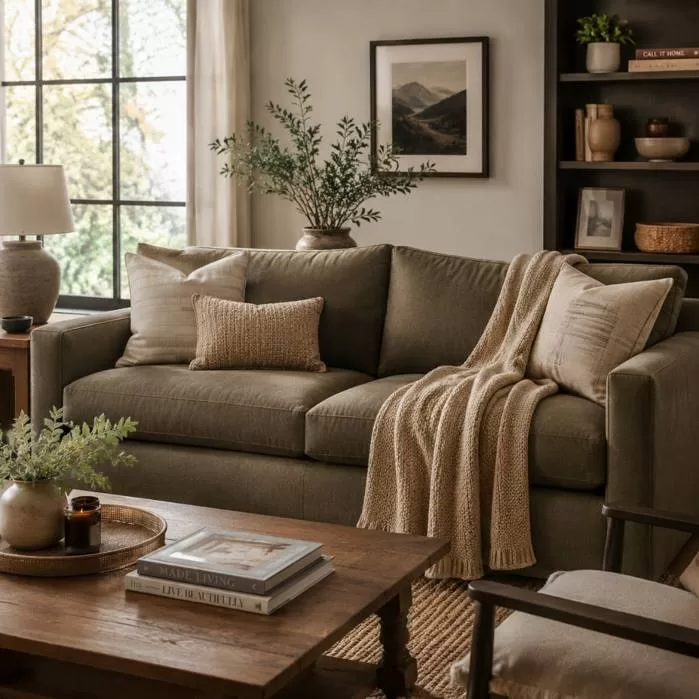
Your sofa colour should complement the size of the room, natural and artificial lighting, flooring, rug, curtains, and overall interior design.
For Smaller Homes
Light and neutral shades such as cream, beige, ivory, light grey, and soft earthy tones can make a room appear more open and spacious.
If stains are a concern, consider medium shades such as honey cream or warm grey instead of pure white or very pale cream.
For Larger, Well-Lit Homes
You have greater freedom to experiment with deeper colours. Shades such as emerald green, deep blue, charcoal, or dark brown can create a distinctive and luxurious focal point.
A Simple Approach to Choosing Your Sofa Colour
If your rug is colourful or heavily patterned, a sofa in a simpler, more understated colour can create better visual balance. If your walls and rug are relatively simple, you can introduce more personality through the colour of your sofa or cushions.
Not every element in your interior needs to be exactly the same colour. A harmonious colour palette is far more important than perfectly matching shades.
5. Sofa Dimensions & Proportion
When buying a sofa, overall length is not the only dimension that matters. Seat depth, backrest height, armrest height, and the total amount of floor space occupied by the complete arrangement should also be considered.
Sofa Dimensions You Should Check Before Buying
- Overall length of each piece
- Overall sofa depth
- Seat depth
- Seat height from the floor
- Backrest height
- Armrest width
- Leg height and design
- Exact dimensions of the complete furniture arrangement
Why Does Sofa Depth Matter?
A deep sofa can be ideal for relaxing and lounging, but it may occupy too much floor space in a smaller room. Excessive seat depth can also be uncomfortable for shorter people, as their feet may not rest comfortably on the floor or their back may not reach the backrest without additional cushions.
For apartments and smaller homes, compact sofas with slimmer armrests and visible legs can often make the room feel lighter and more spacious.
Which Type of Sofa Is Right for You?
Standard Sofas
These designs typically include two-, three-, or four-seater sofas and are particularly practical for family living rooms. If you prefer a more flexible arrangement, you can combine a sofa with individual armchairs.
Best suited to: Medium and large homes, families, and living or reception areas.
L-Shaped Sofas
An L-shaped sofa can make effective use of a corner while providing generous seating capacity. However, in very small rooms or homes with irregular layouts, it may restrict your arrangement options.
Best suited to: Family living rooms, TV areas, and homes with a suitable corner or open wall.
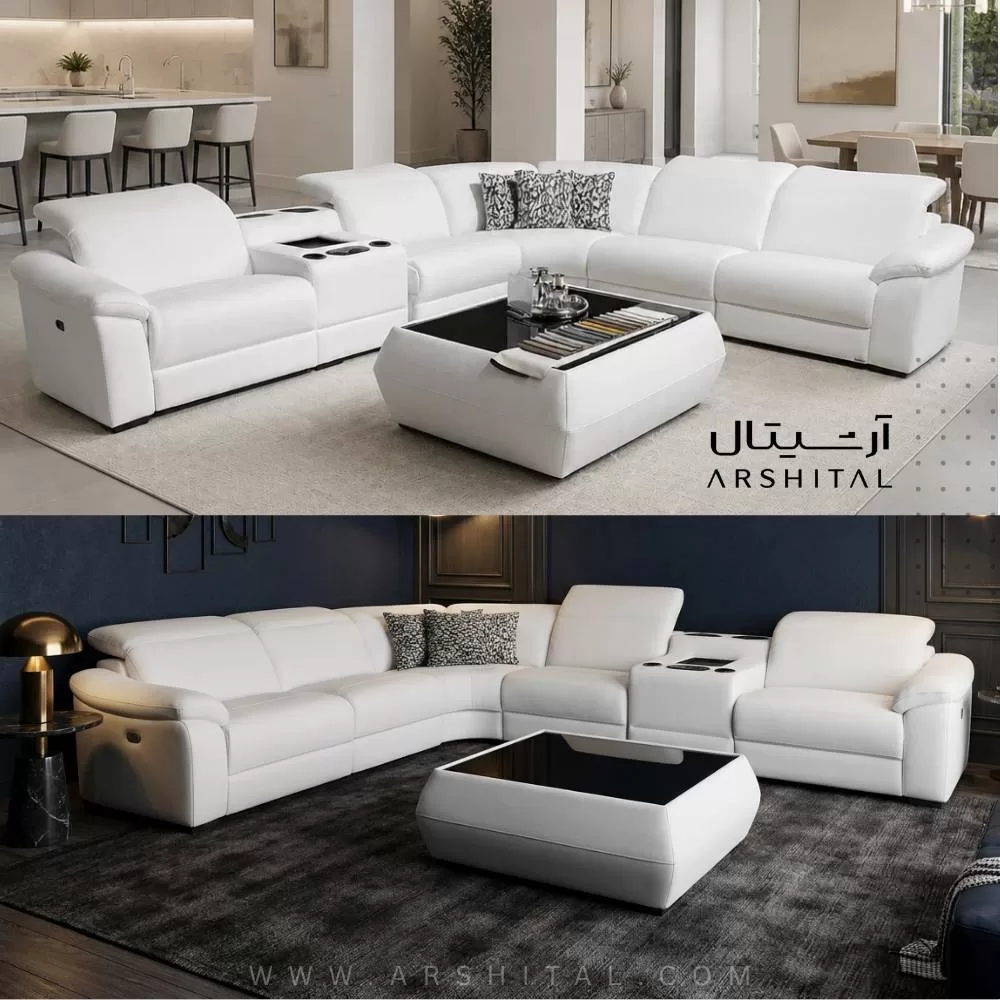
Modular Sofas
A modular sofa consists of individual sections that can be moved, rearranged, and combined as your needs or room layout change.
Best suited to: People who value flexibility in their furniture arrangement or expect their living space to change in the future.
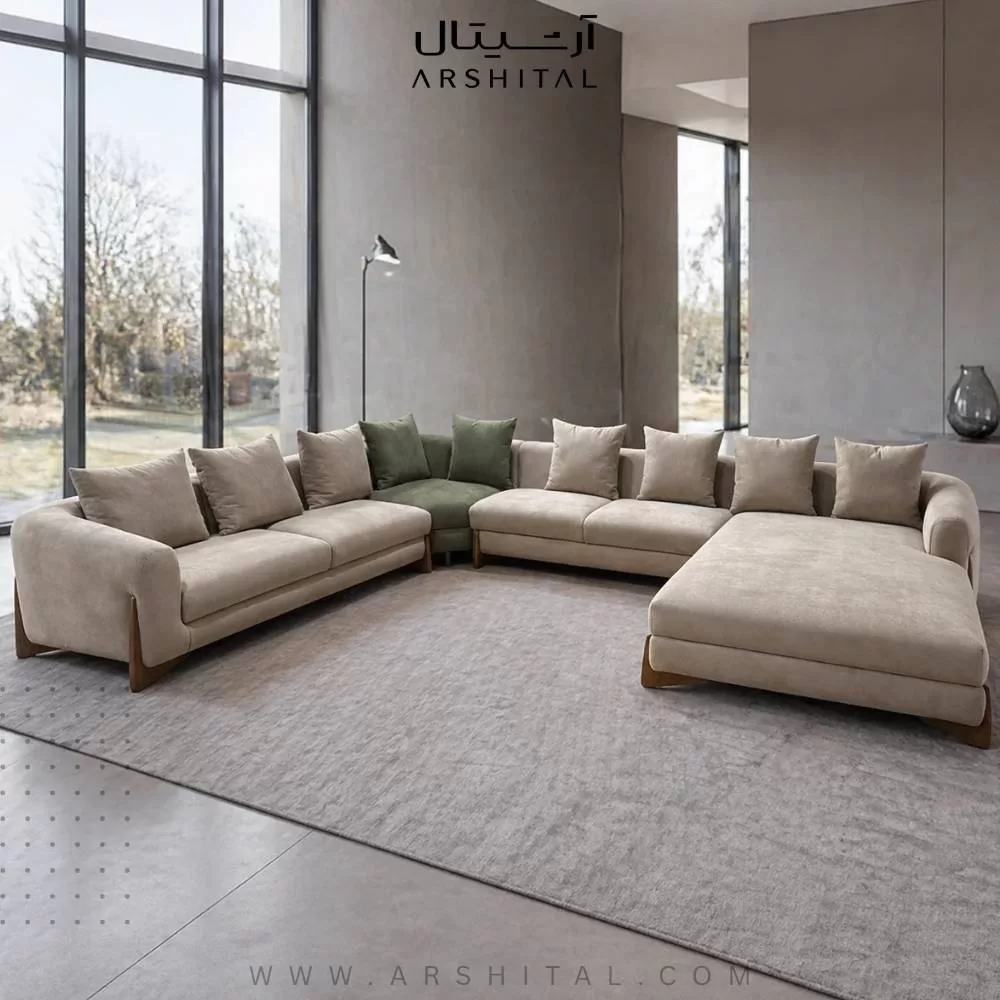
Sofas with a Chaise
A chaise provides an extended seating area where you can stretch out your legs and relax. It is particularly comfortable for watching films and everyday relaxation, although it requires additional floor space.
Best suited to: Larger living rooms and households where the sofa is used extensively for everyday relaxation.
8 Common Mistakes to Avoid When Buying a Sofa
- 1. Choosing a Sofa Based Only on Photos or Showroom Appearance
Always test the sofa for seating comfort, height, depth, and overall build quality before making your final decision.
- 2. Failing to Measure Your Room and Delivery Route
A sofa may fit perfectly in your living room but still be too large to pass through the lift, staircase, hallway, or entrance door.
- 3. Choosing a Very Light Colour Without Considering Your Lifestyle
Light-coloured sofas can look beautiful, but they generally require more care and maintenance in busy households.
- 4. Overlooking Frame and Foam Quality
These two elements play a major role in determining the true quality, comfort, and long-term value of a sofa.
- 5. Choosing an Oversized Sofa for a Small Room
Your living space should still provide enough room for comfortable movement, visual balance, and a practical furniture arrangement.
- 6. Ignoring Backrest Comfort
An attractive sofa without adequate back support can become uncomfortable during extended use.
- 7. Failing to Coordinate the Sofa with Your Existing Interior
Before making your final decision, keep photos of your rug, curtains, flooring, and overall living space with you so you can consider how the sofa will work with your existing interior.
- 8. Not Asking About Ordering, Delivery & After-Sales Service
Make sure the chosen colour, fabric, dimensions, estimated delivery time, transportation arrangements, and after-sales service terms are clearly confirmed in writing.
Final Sofa Buying Checklist
Before placing your order, make sure you have checked the following:
- I have measured the exact dimensions of my living space.
- I have checked the delivery route into my home.
- I have determined the required seating capacity and how the sofa will be used.
- I have tested the sofa for seat and backrest comfort.
- I have asked about the frame material and type of foam.
- I have seen and touched the upholstery fabric in person.
- I have considered the sofa colour alongside my rug, walls, and home lighting.
- I have obtained the exact dimensions of every sofa component.
- I understand the delivery, transportation, and after-sales service terms.
Conclusion — The Right Sofa Is One That Fits Your Lifestyle
The best sofa is not necessarily the largest, most expensive, or most elaborate design. The right choice is one that suits the dimensions of your home, the number of people using it, your everyday lifestyle, interior design style, and budget.
If you are deciding between several sofa designs, colours, or fabrics, avoid making your choice based on photographs alone. The dimensions of your home, the colour of your rug, the lighting in your space, and the way you intend to use the sofa can all help determine which option is right for you.
Need Help Choosing the Right Sofa for Your Home?
At ARSHITAL, you can explore our sofa collections and receive expert guidance on choosing the right design, dimensions, colour, and upholstery fabric to complement your home.
Explore ARSHITAL sofa collections and contact our team for personalised advice on finding the right sofa for your living space.

